
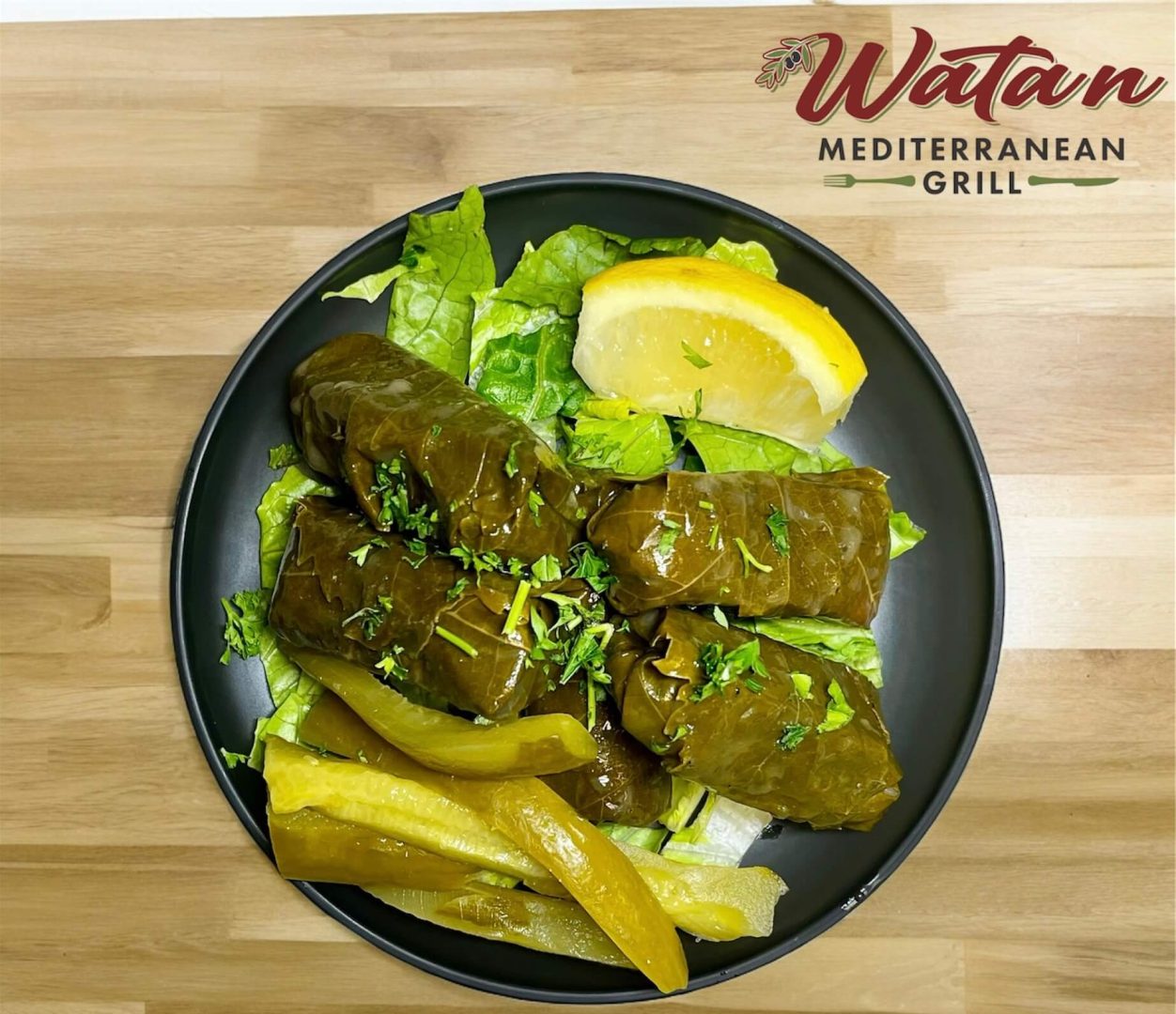
 When you step into a Greek or Mediterranean restaurant, it’s easy to assume they’re the same. Both feature fresh ingredients, bold flavors, and hearty dishes. However, as you take a closer look, you’ll realize that there are more differences than similarities. While they share common elements, each cuisine brings its own cultural influences and cooking styles to the table. So, what sets them apart? Let’s explore the unique aspects of Greek cuisine and how Mediterranean dining spans a broader range of countries and flavors.
Is Greek Food and Mediterranean Food the Same?
Greek food and Mediterranean food are often thought to be the same, but they each bring their own unique flavors and traditions to the table. While Greek cuisine is a part of the broader Mediterranean culinary tradition, it is distinct in its use of specific ingredients and preparation techniques. Both cuisines emphasize fresh, wholesome ingredients, but Greek food tends to focus more on simple, bold flavors with ingredients like feta cheese, lamb, and olives taking center stage.
Mediterranean cuisine, on the other hand, spans a wide variety of countries, each with its own regional influences and culinary traditions. It incorporates a rich diversity of spices, herbs, and cooking methods, making it more varied compared to the focused and time-honored flavors of Greek cuisine. While both share a love for fresh produce, healthy fats, and seafood, the overall flavor profiles and the approach to preparation can differ, offering distinct experiences for food lovers.
What is in Mediterranean Cuisine?
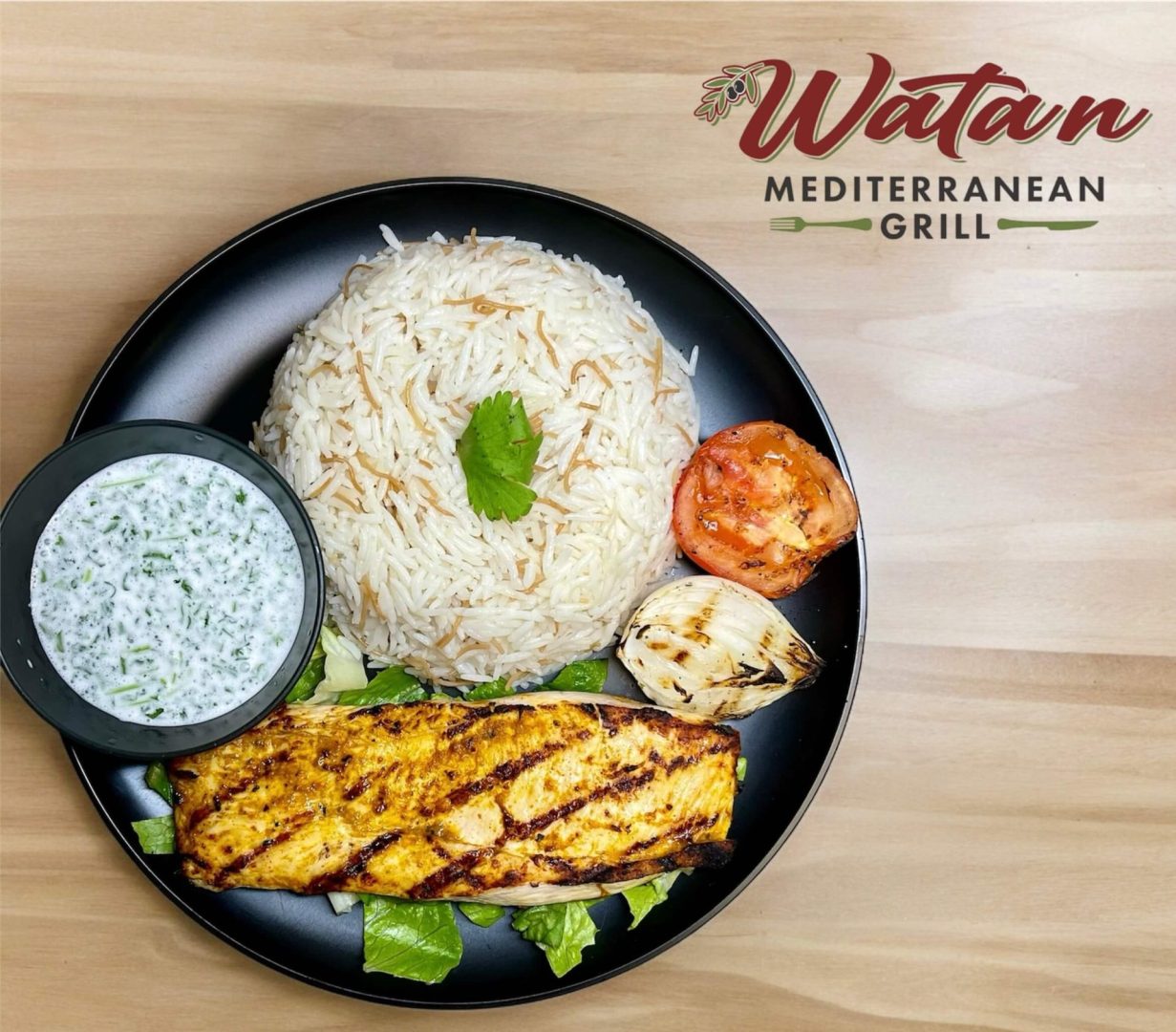 Mediterranean cuisine is a vibrant and healthy culinary tradition that emphasizes fresh, wholesome ingredients. Key components include:
- Olive Oil: Used as a primary fat source, it’s known for its heart-healthy benefits.
- Fresh Vegetables and Fruits: Commonly featured in salads, stews, and side dishes, providing essential vitamins and minerals.
- Whole Grains and Legumes: Staples like quinoa, couscous, lentils, and chickpeas form the base of many meals, offering fiber and protein.
- Seafood and Fish: With a rich coastline, fish and seafood are central to Mediterranean meals, prepared simply with olive oil, lemon, and herbs.
- Herbs and Spices: Fresh herbs like basil, thyme, and oregano, along with spices like cumin and coriander, add depth and aroma to dishes.
- Cheese and Yogurt: Greek yogurt and cheeses like feta provide creaminess and tang, often used in appetizers or main dishes.
- Nuts and Seeds: Almonds, pine nuts, and sesame seeds add crunch and nutrition to many dishes.
- Meats and Poultry: Though used sparingly, lamb, chicken, and beef are often grilled or cooked in stews.
- Breads and Pastries: Flatbreads, pita, and pastries like baklava are common, often served alongside meals.
- Wine: Mediterranean wines, particularly from regions like Italy, Spain, and Greece, complement the flavors of the food.
Mediterranean cuisine is known for its rich flavors, nutritious ingredients, and healthy cooking techniques. With an emphasis on fresh vegetables, seafood, lean meats, and heart-healthy olive oil, Mediterranean food offers a delightful range of dishes that cater to all tastes. From vibrant salads and grilled seafood to indulgent treats like baklava, there’s something for everyone to enjoy. At Watan Mediterranean Grill, we bring these authentic Mediterranean flavors straight to your table, ensuring an unforgettable dining experience that celebrates the true essence of the Mediterranean.
What is the Flavor Profile of Greek Cuisine?
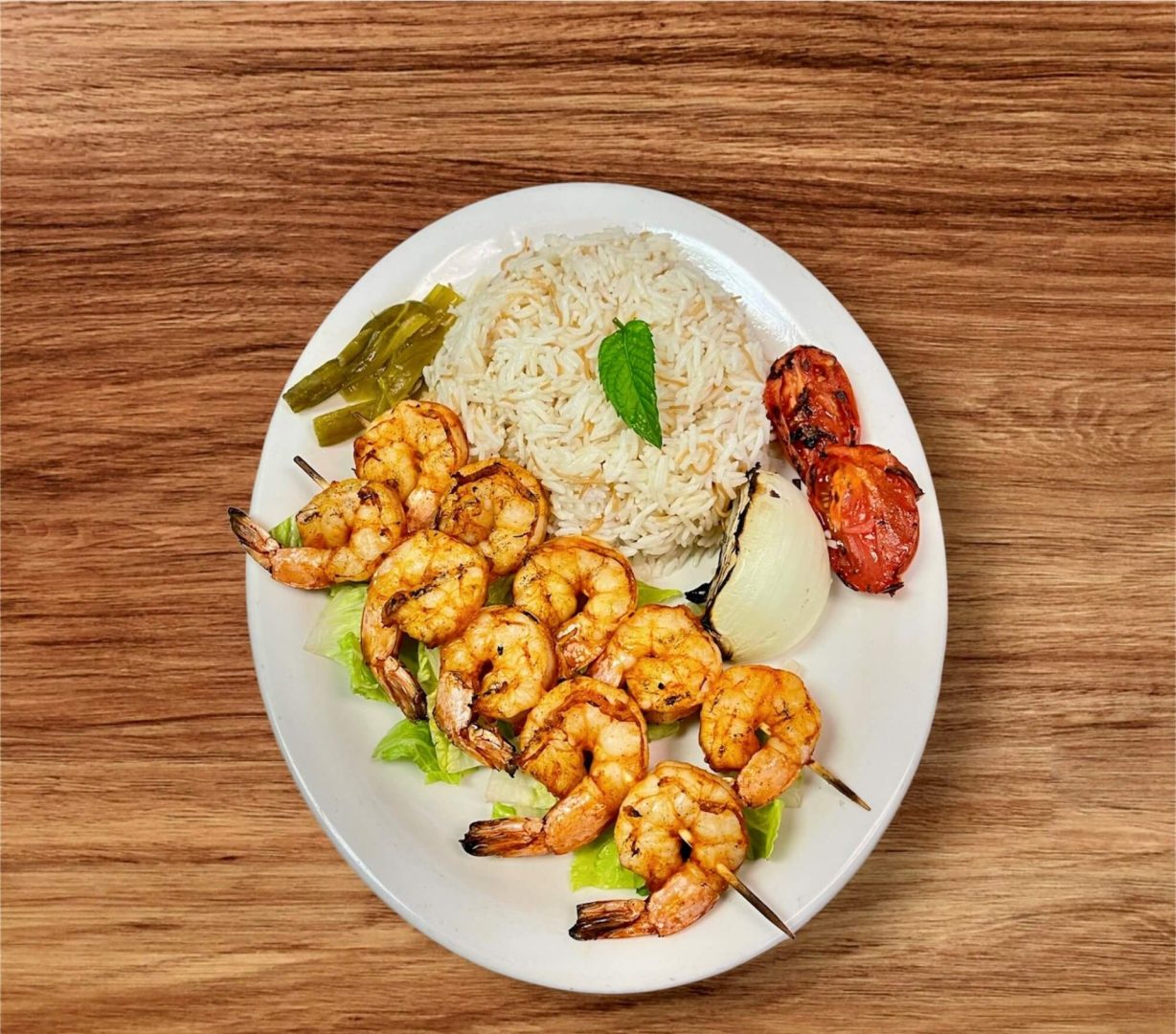 Greek cuisine is known for its simple yet bold flavors, thanks to fresh, high-quality ingredients. Here’s a look at the key flavor components:
- Olive Oil: A heart of Greek cooking, lending a rich, fruity taste to many dishes.
- Herbs and Spices: Oregano, thyme, and rosemary offer savory, earthy notes, while mint and parsley bring freshness.
- Tangy Dairy: Feta cheese provides a briny, tangy flavor, and Greek yogurt adds creaminess with a subtle tang.
- Citrus: Lemon is used frequently, bringing zesty freshness to meats, salads, and stews.
- Grilled Meats: Lamb, chicken, and pork are often grilled, offering smoky, savory flavors.
- Seafood: Fresh fish, shrimp, and octopus prepared with olive oil, lemon, and herbs bring clean, vibrant flavors.
Greek cuisine is a balanced mix of savory, tangy, and fresh flavors, creating simple yet delicious dishes that celebrate the Mediterranean diet.
Understanding the Distinctive Flavors of Greek and Mediterranean Cuisine
Both Greek and Mediterranean cuisines offer rich, vibrant dining experiences, each with unique flavors. While they share ingredients like olive oil, fresh vegetables, and seafood, Greek cuisine focuses on traditional ingredients such as feta cheese, lamb, and herbs, offering simple, bold, and tangy flavors.
Mediterranean cuisine spans a wider range of regions, bringing in diverse spices, herbs, and cooking techniques—from the herbs of Provence to the spices of the Middle East. Both cuisines are healthy, focusing on fresh ingredients and heart-healthy fats, making them not only flavorful but nourishing. Whether you’re enjoying a Greek salad or a Mediterranean tagine, both offer delicious and nutritious meals with deep cultural significance.
At Watan Mediterranean Grill, we bring these authentic Mediterranean flavors to your table, offering a dining experience that celebrates the best of both Greek and Mediterranean cuisines.
FAQs
What’s the difference between Greek and Mediterranean salad?
 A Greek salad typically features tomatoes, cucumbers, onions, olives, and feta, usually dressed with olive oil and oregano, and does not include leafy greens. A Mediterranean salad is more diverse, often incorporating leafy greens, grains, proteins like chickpeas, and a wider variety of cheeses. Greek salads are simpler, while Mediterranean salads offer a broader range of ingredients and flavors.
Are Mediterranean dishes healthy?
Mediterranean meals are full of colorful fruits, vegetables, healthy fats, low glycemic carbohydrates, and clean proteins. These anti-inflammatory meals are not only heart-healthy but good for your overall well-being. Mediterranean diets vary across countries, but they consistently emphasize fresh ingredients and wholesome cooking techniques.
Can vegans eat Mediterranean food?
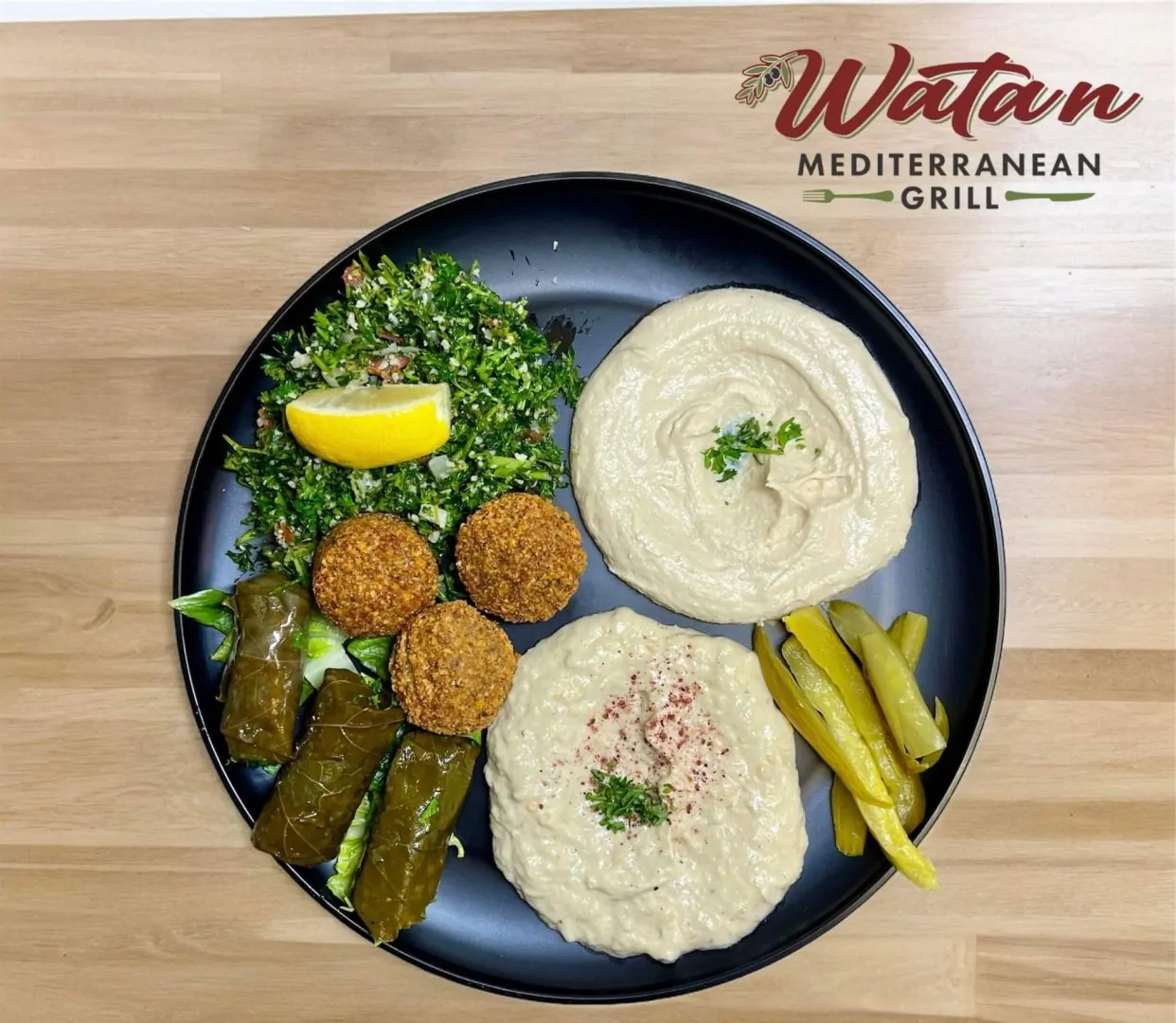
Yes, vegans can enjoy Mediterranean food! Dishes like hummus, falafel, tabbouleh, and vegetable salads are naturally plant-based. Just be mindful of dairy or meat in certain dishes, but most Mediterranean restaurants can accommodate vegan options.
How is the Mediterranean diet different from a regular diet?
 The Mediterranean diet includes fewer meats and carbohydrates, higher amounts of monounsaturated (good) fats, and more plant-based foods like vegetables, whole grains, and nuts, compared to a typical American diet. This approach offers numerous health benefits, from reducing inflammation to supporting heart health.
Indulge in the Best Mediterranean Cuisine at Watan Mediterranean Grill
Now that you’ve explored the unique flavors and ingredients that make Mediterranean cuisine so special, it’s time to experience them firsthand at Watan Mediterranean Grill. Our menu features a wide variety of authentic Mediterranean dishes, crafted with fresh, high-quality ingredients and traditional cooking methods. From vibrant salads to savory grilled meats and seafood, each dish is designed to offer a rich, flavorful experience. At Watan Mediterranean Grill, we bring the diverse tastes of the Mediterranean directly to your table, ensuring a memorable dining experience with every visit. Come join us and discover the true essence of Mediterranean cuisine!


